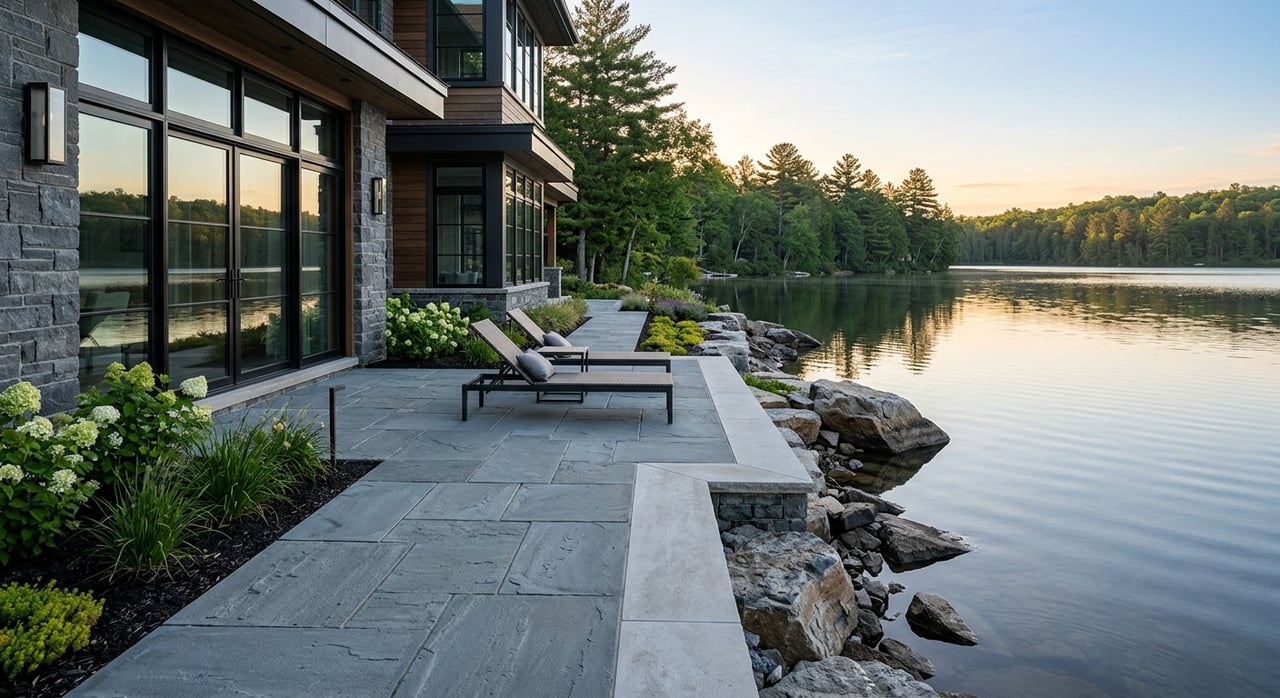
If you are thinking about buying a lakefront home in Orchard Lake, the view is only part of the story. A beautiful shoreline can hide big differences in water depth, dock options, boating exposure, and long-term upkeep. When you know what to look for, you can buy with more confidence and avoid costly surprises later. Let’s dive in.
Why Orchard Lake Stands Out
Orchard Lake is not a one-note waterfront market. It is a 788-acre kettle lake in Oakland County with three islands, two deep basins, and a shoreline that varies quite a bit from one parcel to the next. That physical layout shapes how each property lives day to day.
Some homes face broad open water, while others look toward islands or a more sheltered stretch of shoreline. That can affect how private the setting feels, how much wind you get, and how expansive the view seems. On Orchard Lake, two homes on the same lake can offer very different waterfront experiences.
The lake also has legally established summer and winter water levels, along with a water-level control structure and an intermittent outlet to Cass Lake. That means water level is not just a technical detail. It is a real ownership issue that can affect shoreline use, maintenance, and long-term planning.
Focus on the Lot First
With lakefront property, the lot often matters as much as the house. In Orchard Lake, frontage width, parcel shape, and the exact shoreline position can have a major impact on value and usability. A stunning interior does not make up for limited water access or a less functional shoreline.
Michigan guidance on inland lakes makes clear that riparian rights are tied to ownership of the bank or shore. Those rights can include access, dockage, and general water use. Because of that, you should look closely at what rights actually come with the property, not just how the listing describes it.
This is especially important if you are comparing true lakefront homes with lake-access properties. They are not the same. If a parcel does not remain contiguous to the lake, riparian rights may not follow, so the deed, survey, and title commitment need careful review before you move forward.
Check Water Depth and Bottom Conditions
One of the biggest practical questions on Orchard Lake is what happens at the shoreline itself. The lake includes both deep basins and extensive shoal areas, so depth near the dock can vary a lot. That matters if you plan to boat, swim, install a lift, or simply enjoy easier water access.
The DNR also notes that nearshore conditions around the lake can include sand, gravel, marl, and muck, along with abundant aquatic plants. In real terms, one property may feel great for swimming, while another may need more maintenance or a different setup for watercraft. You want to know what the lakebed is like before closing, not after your first weekend there.
Ask direct questions such as:
- How deep is the water at the dock area?
- What is the bottom type near shore?
- Are there shoals or shallow shelves nearby?
- How much aquatic plant growth is typical in season?
- Is the shoreline suitable for the type of boating you plan to do?
Understand Views, Wind, and Exposure
Not every Orchard Lake view feels the same. Because the lake includes islands, deep open areas, and more protected shoreline sections, the orientation of the lot matters. The same square footage on paper can deliver a very different outdoor experience depending on where it sits.
A more open-water setting may offer a dramatic view, but it may also bring more glare, wind, or wake exposure. A more sheltered lot may feel calmer and more private, but with a narrower view corridor. These are not good or bad by default. They are simply tradeoffs you should evaluate based on how you want to use the property.
If possible, visit a property more than once and pay attention to how the shoreline feels at different times of day. Morning light, afternoon boat traffic, and prevailing wind can all shape your experience in ways listing photos cannot fully capture.
Factor in Boating Activity
Orchard Lake has a public access site on the southwest side off Orchard Lake Road. Oakland County watercraft controls cap vessel speed on the lake at 40 mph and require slow-no-wake within 200 feet of the public access site. Those rules help frame expectations, but they do not eliminate the reality of boating activity.
If you are sensitive to noise, traffic, or wakes, the exact location of the home matters. A property near the access side of the lake may feel different from one tucked farther away. Before making an offer, it is smart to consider not only the home itself but also how the surrounding part of the lake is used.
Plan for Seasonal Ownership
Lakefront ownership in Michigan is rarely maintenance-free. Even with legally managed lake levels, Orchard Lake owners still need to think about winter ice, dock removal, shoreline freeze-thaw cycles, and spring cleanup. A year-round waterfront home can be rewarding, but it comes with an annual rhythm of upkeep.
That is why a serious buyer should budget time and money for maintenance from the start. Seawalls, drainage, shoreline edges, and exterior systems all deserve close attention during inspections. On a luxury waterfront purchase, the right due diligence protects both your lifestyle and your investment.
Review Permits Before You Change Anything
Many buyers assume they can adjust the shoreline after closing. In reality, changes at the land-water edge often require review. In Michigan, EGLE oversees many inland-lake activities involving dredging, filling, and structures on bottomlands.
If you plan to add or replace a dock, lift, seawall, boat well, boardwalk, fence, deck, or other shoreline feature, assume permit review may be part of the process. EGLE says the Joint Permit Application covers many common shoreline projects, and review typically takes 30 to 90 days once a complete application is received. Spring and summer are usually the busiest seasons.
That timeline matters if your plans are immediate. It is much better to confirm what may be allowed before you buy than to assume you can make changes on your own schedule.
Ask About Lake Level Charges
Because Orchard Lake has a legally established normal lake level, county-level management is part of the ownership picture. Oakland County says property owners who benefit from a legally established lake level can be assessed for construction, operation, and maintenance of the lake-level structure.
That does not mean every property will carry the same financial impact, but it does mean you should ask the right questions during due diligence. A buyer should understand whether there are current or ongoing lake-level district charges tied to the property.
Look Closely at Shoreline Health
Orchard Lake’s water exchange is relatively slow, with the DNR reporting an average flush rate of about once every 8.6 years. That makes shoreline stewardship more important. Runoff control, shoreline vegetation, and careful use of fertilizers and hardscape can have an outsized effect on lake conditions over time.
EGLE also tracks issues such as harmful algal blooms, aquatic invasive species, and broader water quality concerns for inland lakes. In addition, its shore-protection guidance supports natural shoreline treatments where feasible, with hard structures used when needed to address erosion. For buyers, this means shoreline condition is not just about appearance. It is part of long-term ownership and maintenance planning.
Build the Right Buying Team
A waterfront purchase on Orchard Lake usually calls for more than a standard home search. Because lot characteristics and shoreline rules play such a large role, you benefit from a team that understands waterfront detail. The right guidance can help you separate a beautiful listing from a truly strong property.
Your due diligence team may include:
- A surveyor or title professional to confirm boundaries, easements, and waterfront rights
- A home inspector to review the house, drainage, dock, seawall, and signs of water intrusion
- A shoreline contractor or civil engineer if erosion control or shoreline work may be needed
- A lender and appraiser familiar with waterfront comparables and lot-driven value
On Orchard Lake, value often comes down to more than finishes. Frontage, legal access, dockability, view corridor, water depth, and regulatory limits can all shape what a property is truly worth.
What Smart Buyers Prioritize
When you tour lakefront homes in Orchard Lake, it helps to move beyond surface appeal and stay focused on the factors that affect daily use and resale. A polished home on the wrong lot can be less practical than a less updated home with stronger waterfront fundamentals.
Here are some of the biggest items to prioritize:
- True lakefront status versus shared or limited access
- Frontage width and parcel shape
- Nearshore depth and bottom conditions
- View corridor and privacy feel
- Exposure to boat traffic and wakes
- Shoreline condition and maintenance needs
- Permit considerations for future improvements
- Any lake-level district assessment obligations
For many buyers, this is where local market knowledge matters most. Waterfront homes reward careful analysis, especially in a market where no two lots live exactly the same.
If you want a polished, informed approach to buying on Orchard Lake, Rob Haber Real Estate can help you evaluate the details that matter most.
FAQs
What should you check before buying a lakefront home in Orchard Lake?
- You should review the deed, survey, and title commitment, confirm riparian rights, evaluate nearshore depth and bottom conditions, and ask about permits, shoreline condition, and any lake-level district charges.
Is lake-access property the same as lakefront property in Orchard Lake?
- No. Michigan guidance ties riparian rights to property that is contiguous to the lake, so access rights and waterfront use can differ significantly from true lakefront ownership.
Do shoreline projects in Orchard Lake need permits?
- Many do. EGLE oversees a range of inland-lake activities, and common projects such as docks, dredging, seawalls, and other shoreline changes may require review through the Joint Permit Application process.
Does boating traffic affect some Orchard Lake homes more than others?
- Yes. Orchard Lake has a public access site on the southwest side and local watercraft controls, so noise, wakes, and traffic can vary depending on where a property sits on the shoreline.
Why do water depth and lakebed conditions matter in Orchard Lake?
- Orchard Lake has both deep basins and extensive shoals, plus varying nearshore materials like sand, gravel, marl, and muck, which can affect swimming, dock placement, boat access, and maintenance.
Do Orchard Lake homes require seasonal maintenance?
- Yes. Even with legally managed lake levels, owners should expect ongoing upkeep related to winter ice, dock removal, shoreline freeze-thaw, and spring maintenance.