Thinking about new construction in Bloomfield Township? The biggest surprise for many buyers is that this is usually not a subdivision market with rows of brand-new homes. In Bloomfield Township, new construction is often about teardown and rebuild opportunities, custom infill, and carefully designed homes in established neighborhoods. If you want to buy here, it helps to understand how the local process works, what can limit a project, and which choices tend to support long-term value. Let’s dive in.
Bloomfield Township is an infill market
If you picture new construction as a large development on open land, Bloomfield Township may feel very different. The township is largely built out, and much of its housing stock dates back to the 1950s and 1960s. That means newer homes often come from replacing an older home rather than building in a brand-new subdivision.
The local numbers support that pattern. In 2024, Bloomfield Township issued 46 new residential building permits and 32 residential demolition permits. That activity points to a market where rebuilds and redevelopment play a major role.
Where new construction usually happens
New construction in Bloomfield Township tends to show up in mature, established areas rather than new plat developments. Public notice patterns from the township show activity in places such as Bloomfield Village, Forest Lake Country Club Estates, Eastover Farms, Birmingham Farms, Woodcrest Lakes, Meadowlake Farms, Peabody Farms, South Bloomfield Highlands, and Kirkwood.
That does not mean every street is changing at the same pace. It does mean buyers should expect neighborhood context to matter a great deal. In many parts of the township, especially in established neighborhoods, the success of a new home is tied to how well it fits the lot, the street, and the surrounding homes.
The township’s planning materials also note that the western portion of Bloomfield Township includes lakes, larger lots, winding roads, and varied topography. For buyers drawn to custom homes or lake-area settings, that helps explain why some of the most appealing rebuild opportunities are tied to unique sites rather than standard development lots.
Why neighborhood fit matters so much
In Bloomfield Township, buying new construction is not just about square footage or finishes. Neighborhood fit often plays a big role in approvals, design decisions, and future resale appeal.
The township emphasizes compatibility with surrounding homes and preservation of neighborhood character. Some neighborhoods also have active homeowner associations or architectural review processes, which can influence everything from exterior materials to the overall look and scale of the house.
For you as a buyer, this matters in two ways. First, it can affect what gets built and how smoothly the process goes. Second, it can shape long-term value, since homes that feel well matched to their setting may hold appeal more consistently over time.
Lot size and setback rules affect design
One of the most important things to understand is that lot constraints are real in Bloomfield Township. Even a beautiful lot may not allow every floor plan or garage layout a buyer imagines.
The zoning ordinance sets minimum lot sizes in one-family districts at 16,000 square feet in R-1 with sewer, 20,000 square feet in R-2, and 22,000 square feet in R-3. The township also notes typical setbacks of 40 feet in the front, 16 feet on the sides, and 35 feet in the rear in those districts.
In practical terms, those rules can shape the massing of the home, the location of the driveway, the garage placement, and the overall footprint. A house can be impressive on paper but still feel awkward if it is not designed well for the lot.
HOA and deed restrictions may be stricter
Township zoning is only part of the story. Bloomfield Township specifically warns that subdivision deeds, conditions, and restrictions may be more restrictive than zoning.
That point is especially important because the township has more than 100 homeowner associations, and many play a role in design review. If you are buying a completed new home or considering a lot for a custom build, you will want to understand any association requirements early.
A home may meet township rules and still run into subdivision-level restrictions. That is one reason early due diligence matters so much in this market.
Tree preservation can change a project
In Bloomfield Township, mature trees are not a small detail. They can affect site planning, timeline, and cost.
The township requires a Tree Preservation & Protection permit for clear-cutting or for removal of protected trees on property undergoing new construction or redevelopment. The ordinance also requires an arborist survey and tree replacement for regulated removals.
For buyers, this means the lot itself deserves close attention. A heavily wooded property may be very appealing, but it may also bring added planning requirements that affect home placement, grading, and overall project scope.
Permits and approvals take planning
Permitting in Bloomfield Township is more involved than many buyers expect. The township says plan review typically takes about 10 business days, and residential plans of 3,500 square feet or more must be signed and sealed by a Michigan-licensed engineer or architect.
The township also notes that subdivision association approval may be required before a permit is issued. Depending on the site, additional county approvals may also be needed for wells, septic, driveway or road work, and soil erosion control.
That does not mean the process is unworkable. It means experienced planning matters. In Bloomfield Township, the strongest projects usually come from teams that understand permit sequencing, neighborhood review, and site-specific rules from the start.
Design trends that fit Bloomfield Township
The best new homes in Bloomfield Township are often the ones that feel timeless and intentional. According to township housing materials, newer homes commonly include 3- to 4-car garages, home offices, guest suites, and larger kitchens, bathrooms, and living areas.
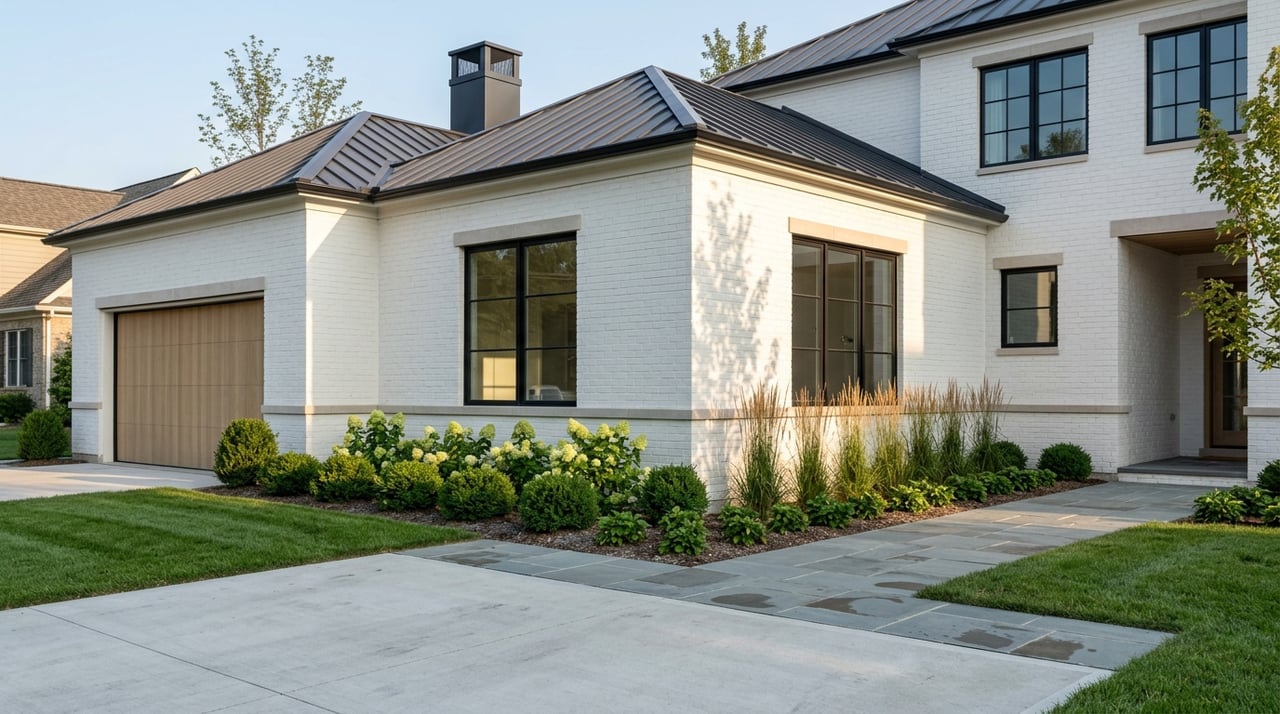
At the same time, the township encourages high-quality, durable exterior materials such as wood, brick, and stone. It also favors details like front porches, peaked rooflines, dormers, bay windows, and gables facing the street.
The township discourages garage fronts that project too far beyond the main façade. That is a helpful clue for buyers, because curb appeal here is often tied to balance and proportion, not just size.
Interior priorities buyers often value most
In this market, flashy finishes alone are rarely enough. Buyers often place more value on smart layout, natural flow, and spaces that work well every day.
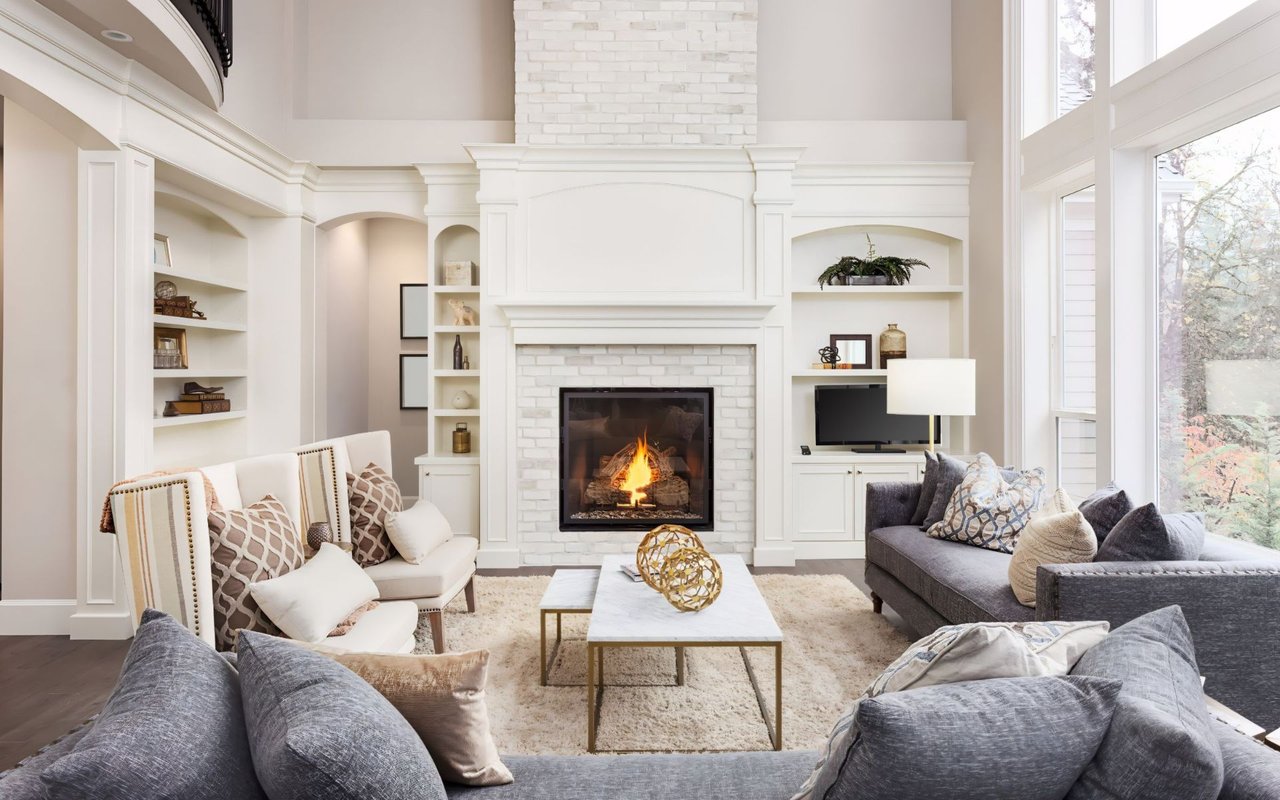
Flexible main-floor living, strong circulation, and practical room placement tend to matter. A home office, guest suite, generous kitchen, and well-planned living areas can support daily life better than trend-driven features that may feel dated quickly.
When you walk a new home in Bloomfield Township, it helps to look past the staging and ask a few simple questions:
- Does the house feel proportionate to the lot?
- Is the garage placement visually balanced?
- Do the rooms connect naturally?
- Does the exterior feel consistent with the setting?
- Will the layout still work for you years from now?
How to vet a builder carefully
If you are buying a custom home, spec home, or teardown opportunity, builder quality matters just as much as location. Michigan’s LARA says residential builders are licensed and regulated by the state, and consumers should verify current license status, check for prior disciplinary action, and ask for references and written estimates.
The state also says a written contract should include:
- Start and completion dates
- A requirement that the builder obtain all required permits
- Payment terms
- The contractor’s license number
- The contractor’s street address
- The contractor’s phone number
In Bloomfield Township, it is also wise to understand whether the builder has experience with HOA review, tree rules, and local permit requirements. A builder who knows how to navigate those details can help reduce surprises.
Think about resale from day one
Even if you plan to stay for many years, resale should still be part of your thinking. In Bloomfield Township, long-term value is often tied to homes that look and feel like they belong on their block.
The township’s planning framework repeatedly emphasizes compatibility, preservation of street trees and sidewalks, and avoiding out-of-scale design. That suggests a clear takeaway for buyers: the safest long-term choices are often homes with strong site planning, balanced architecture, durable materials, and a design that respects the neighborhood context.
It also helps to study the lot itself, not just the house. Mature trees, sensible driveway placement, and limited grading complications may all support a property’s appeal over time.
A smart buyer approach in Bloomfield Township
If you are considering new construction in Bloomfield Township, a disciplined approach can help you avoid costly mistakes. This is a market where details matter, and surface-level appeal is only part of the story.
A practical checklist includes:
- Review the lot size and zoning district
- Confirm setback limitations
- Ask about deed restrictions and HOA review
- Understand tree preservation requirements
- Check whether county approvals are needed
- Verify the builder’s license and local experience
- Study how the home fits the street and surrounding homes
- Look at function and layout, not just finishes
In a market like Bloomfield Township, thoughtful analysis often creates better outcomes than rushing toward the newest or largest option.
For buyers who want a sharper read on build quality, neighborhood fit, and long-term value, working with someone who understands both luxury housing and construction nuance can make the process much clearer. If you are exploring new construction or rebuild opportunities in Bloomfield Township, connect with Rob Haber Real Estate for tailored guidance.
FAQs
What does new construction usually mean in Bloomfield Township?
- In Bloomfield Township, new construction often means teardown and rebuild projects or custom infill on existing lots rather than large new subdivisions.
What Bloomfield Township lot rules should buyers know?
- Buyers should understand minimum lot sizes, setbacks, and how those rules can affect the home footprint, garage placement, and overall design.
What Bloomfield Township approvals can affect a new build?
- Depending on the property, approvals may involve township plan review, HOA or subdivision review, tree preservation requirements, and possible county approvals for items like wells, septic, driveway work, or soil erosion control.
What design features fit Bloomfield Township best?
- Homes with durable materials like brick, stone, and wood, along with balanced proportions and neighborhood-aware design, tend to align well with township guidance.
What should buyers ask a builder in Bloomfield Township?
- Buyers should verify the builder’s license, ask about local experience, request references, review the contract terms carefully, and confirm who will handle permits and approvals.
Why does neighborhood fit matter for Bloomfield Township resale?
- The township places strong emphasis on compatibility and neighborhood character, so homes that fit their lot and surroundings may have more durable long-term appeal.